 Tandem Trails
For couples
How to start walking together when your routines are different
One of you is out at dawn. The other squeezes a walk in after work. Walking together can mean sharing a little of the habit, even when you cannot share every step.
Decide what walking together means to you
Start by choosing the experience you both want: time side by side, a reason to get outside, or a journey you can follow from different places. Those are different plans. You do not need to make every walk serve all three.
Ask, "What would make this enjoyable for you?" before agreeing a distance. One person might want quiet company; the other might be hoping for a chat. Pick a first walk that leaves room for both.
Try one of three arrangements
- A short overlap. Meet for the first ten minutes, then let the person who wants a longer walk continue. Choose a comfortable common pace.
- Separate walks, one check-in. Each walk at a convenient time and swap a photo or a small observation afterwards.
- A shared destination. Combine your walking distances towards a virtual trail, then look at the journey together once a week.
You can switch arrangements from week to week. Finishing work late does not need to mean that the whole plan has failed.
When one person walks faster or further
For a walk you take side by side, agree a pace and route that work for the person who wants the shorter, slower outing. Add a turnaround point, a bench or a cafe. The faster walker can add a separate loop before or after.
For separate walks, decide whether the goal is contribution or competition. In a combined-distance challenge, a short walk still moves the shared total. If you choose to compete, agree the rules first rather than discovering halfway through that one person's working day decides the result.
Make a first-week agreement
- Choose two opportunities rather than committing to every day.
- Name the smallest version: a loop around the block, a few minutes outside, or another activity you both find accessible.
- Decide how to change the plan. "Can we move this to tomorrow?" should be an ordinary message.
- At the end of the week, ask what you each enjoyed and what felt awkward.
A missed walk is information about the plan, not a measure of someone's affection. If the routine is creating pressure, reduce it or choose something else to share.
One trail, different everyday walks
We make Tandem Trails for two iPhone walkers. Both Apple Health walking distances contribute to the same virtual route. For step-offs, Level it compares each walker against their own usual day, and you choose your race days.
Explore the shared trail and step-off options. You can also use a paper map and a weekly distance note if that suits you both better.
Fancy another?
Keep exploring
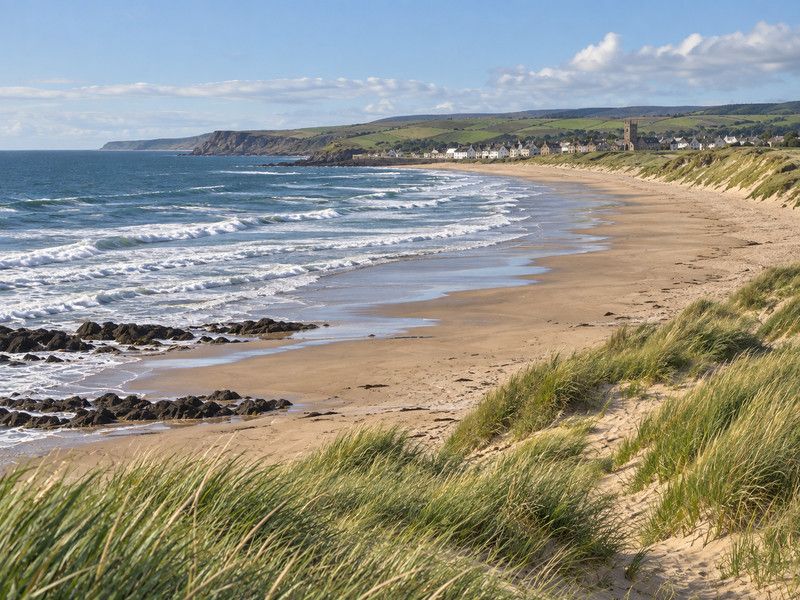 A stroll and a coneFor couples
A walking date: simple ideas for your next stroll together
Plan a walking date with a short route, a coffee stop, a photo hunt or conversation prompts. Includes rainy-day and long-distance alternatives.
 One step at a timeFor couples
Small daily rituals for couples who want to feel closer
Choose a small couples ritual you both enjoy: an evening check-in, a thoughtful message or a walking habit. Includes ways to restart after a missed day.
 First to the PikeFor couples
Playful walking challenges for couples
Try six walking challenges for couples, including photo hunts, shared distance and friendly step-offs. Includes kind forfeits and ways to keep it fair.