 Tandem Trails
For family
Family walks when you have different paces and routines
A family walk can be a short shared stretch rather than the whole of everyone's outing. Ask what would make the time comfortable and enjoyable before choosing a distance.


Start with what each person wants from the outing
Some people may want a long route, others a quiet conversation or a short walk ending somewhere to sit. Ask about time, surfaces, access, places to stop and the pace people prefer. Age or family role will not tell you those answers.
These ideas focus on adult relatives arranging a social outing. You do not need everyone to walk the same distance or use an app for the plan to work.
Try one of four route arrangements
- The shared first loop. Walk a short route together, then let anyone who wants more distance continue separately.
- The meeting-point route. Take different routes and meet at an agreed bench, garden or cafe. Check access, opening times and costs.
- The out-and-back. Choose a public path where turning around early is straightforward, with a clear plan for staying in touch.
- The walk-and-sit catch-up. Include time to sit together as part of the plan, rather than treating a stop as an interruption.
Keep everyone informed about the arrangement before setting off. Nobody should have to keep up with an unannounced faster group to remain part of the conversation.
Agree the shared pace and the finish
Choose a pace that works for everyone in the shared portion. If someone wants a brisker walk, they can add distance before or afterwards. Check in without making one person feel responsible for slowing down the whole outing.
Give a realistic finish time, especially when people have work, transport or caring commitments. A shorter agreed route may be easier to repeat than a longer outing that leaves someone rushed.
When walking itself does not suit everyone
Try meeting somewhere comfortable to sit, taking an indoor outing or sharing a picture of your surroundings. A social plan can include different activities without ranking them by effort.
If you are keeping a walking total, be clear about what it represents. A seated activity can be part of your family time, but it does not become walking distance in Apple Health simply because you share it.
When the difference is the calendar
Each take a local walk when convenient and exchange one observation afterwards. Choose a broad window, such as sometime over the weekend, rather than making every relative available at the same minute.
For a future group outing, send a short list of realistic options and let people choose. You can arrange the plan in your usual family chat without collecting everyone's private walking data.
A shared trail for a pair of relatives
We make Tandem Trails. Two iPhone walkers combine Apple Health walking distances on one virtual route, so separate everyday walks can contribute to a shared finish. Optional Level it step-offs compare each person against their own usual day.
Explore the two-person family walking app. The app does not provide a multi-person family leaderboard, and there is no need to race in order to enjoy the shared journey.
Fancy another?
Keep exploring
 Tea in TenbyFor family
Walking with your mum: make room for a small catch-up
Plan a relaxed walk with your mother, with a clear invitation, a comfortable route and something to talk about. Includes ideas for walking miles apart.
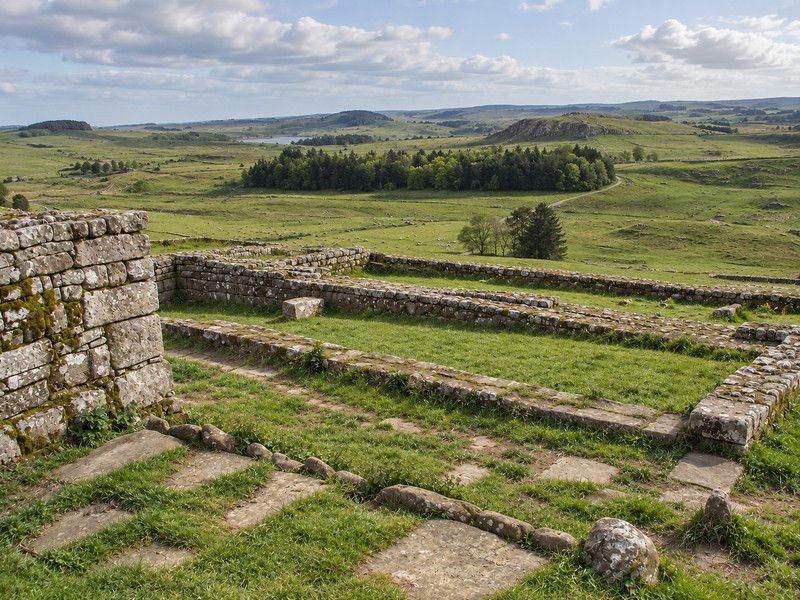 Dad's favourite fortFor family
Walking with your dad: a little time beyond the family updates
Arrange a walk with your father around a shared interest, an easy route or a place with a story. Includes ways to keep the plan flexible and walk apart.
 A family dareFor family
Walking challenges for two family members
Choose a walking challenge with an adult sibling or parent: a shared virtual route, a photo hunt or optional step-offs. Includes clear group and app limits.